https://www.festival-cannes.com/en/f/rehearsals-for-a-revolution
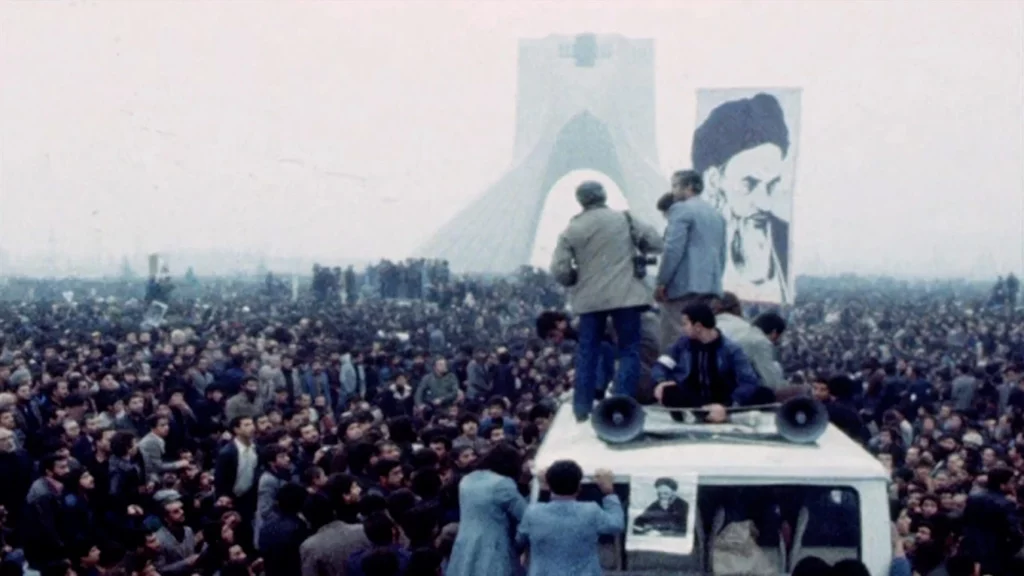
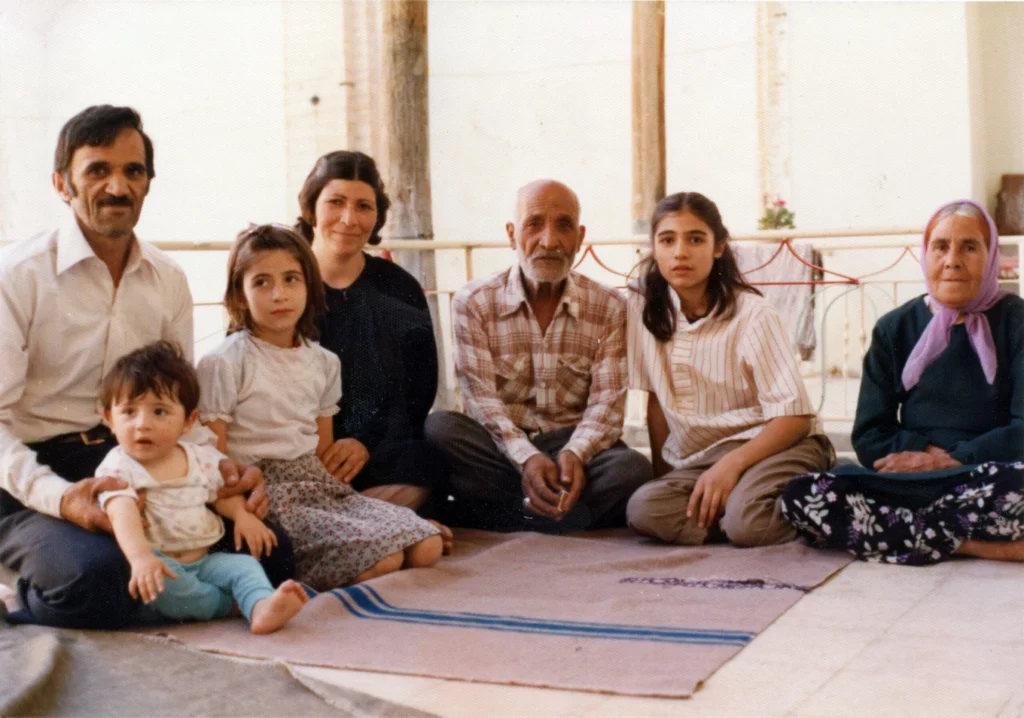
Through five portraits of relatives and mentors, five expressions of resistance, Pegah Ahangarani sketches her life story. Drawing from personal archives, home videos, street protests footage, newspapers, and recorded voices, she retraces more than 40 years of Iran’s history. From the early days of 1979, until the war that began in 2026, she pieces together intimate and collective memories, forming the portrait of a country shaped by political repression and in constant hope for a revolution.
Directed by : Pegah AHANGARANI
Year of production: 2026
Country: Czech Republic, Spain
Durée : 95 minutes
A Special Screening for a documentary spotlighting the situation in Iran. With Rehearsals for a Revolution, actress and director Pegah Ahangarani weaves intimacy and community in her first feature film which follows her loved ones and the events of the last forty years.
Five portraits of loved ones, five experiences of resistance. In a film made up of archival footage that’s both beautiful and intense, Pegah Ahangarani retraces forty years of disruption, strikes, protests and suppression up to the current war.
She stylistically tells this story in separate chapters, each marked by a different character (her father and her literature teacher for example), with a unique visual style (family archives in Super 8, YouTube videos, animations, voice recordings). Each one of her personal experiences echoes the collective fate of the Iranian people, the series of events creating the feeling of a cycle of misfortune.
But Pegah Ahangarani remains optimistic and this optimism is mirrored in the film’s title. Sentenced to eighteen months in prison in 2013 and a refugee in the United Kingdom since 2022, the fate of a whole generation of artists in Iran, Rehearsals for a Revolution marks a true act of resistance.
“Iranian cinema is a reflection of its people. I’m constantly surprised by the people of this country who never break, who never give in.”
To pay homage to her loved ones and her people in the most beautiful way possible, Pegah Ahangarani was inspired by the work of Lithuanian Jonas Mekas, whose poetry she admires, as well as his free way of speaking and his work reconstructing memories. A piece of cinema that’s just as powerful as the original.